Exploring the hidden effects of gambling on mental well-being
The Psychological Impact of Gambling
The psychological effects of gambling can be both profound and complex, often manifesting in various forms of emotional turmoil. Many individuals view gambling as a source of entertainment, but it can quickly evolve into a significant stressor. The thrill of winning may initially seem rewarding, yet the weight of potential losses can lead to anxiety, depression, and feelings of guilt. One exciting option to explore is Pilot Chicken from Spribe, which can offer a thrilling gambling experience. Understanding these emotional shifts is crucial for recognizing when gambling is becoming detrimental to mental health.
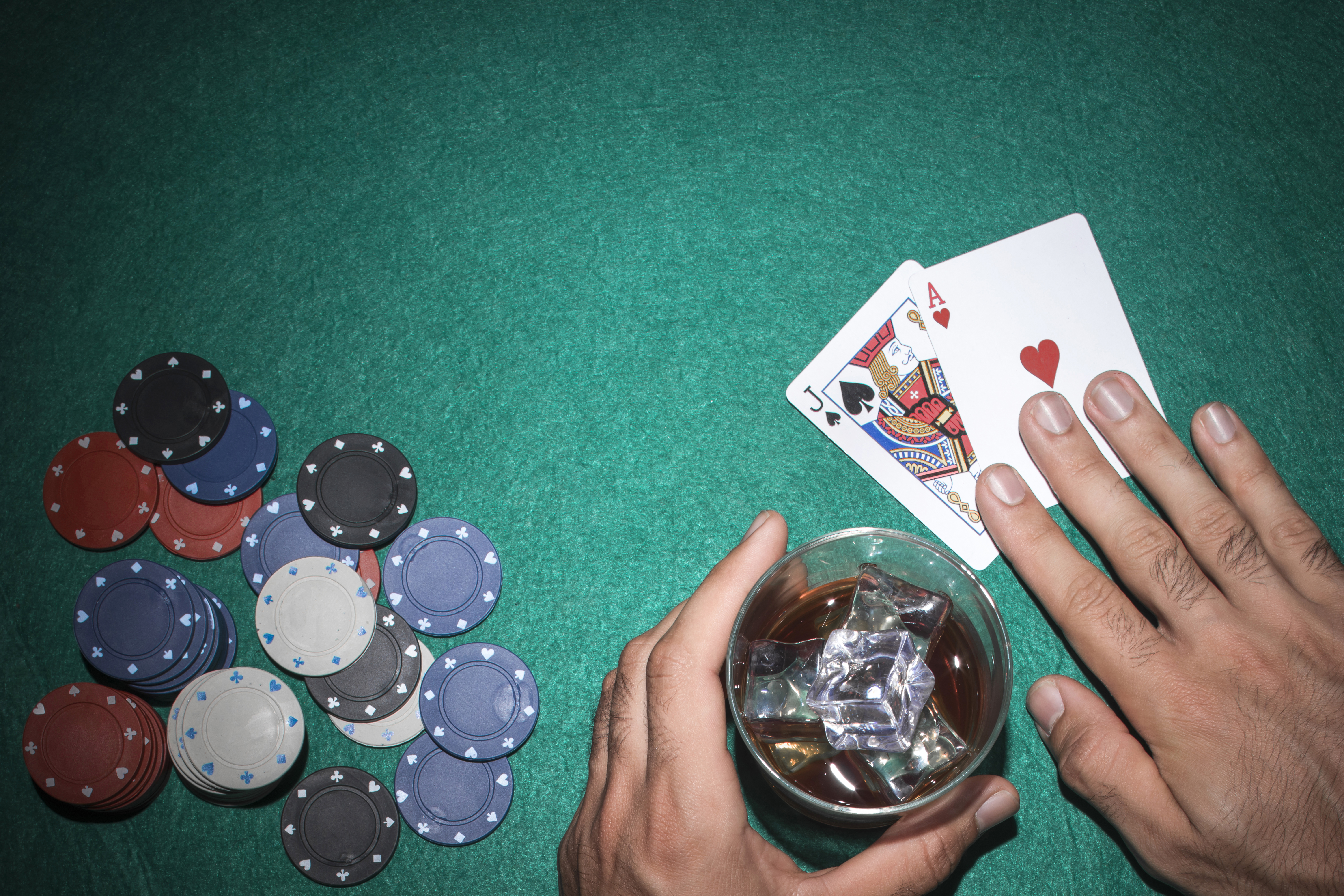
Moreover, the concept of “loss aversion,” where individuals prefer to avoid losses rather than acquiring equivalent gains, plays a significant role in gambling behavior. When a person loses money, the emotional fallout can be intense, often leading to increased risk-taking as they attempt to recover losses. This cycle can create a toxic relationship with gambling, as the urge to chase losses might overshadow rational thinking and emotional well-being.
Addiction is another critical psychological aspect tied to gambling. For some individuals, gambling can become compulsive, leading to a situation where they prioritize betting over essential life responsibilities and relationships. This compulsive behavior not only affects the gambler but also strains family dynamics, friendships, and overall social engagement. Recognizing the signs of gambling addiction is vital for anyone who may be struggling and for their support network.
The Social Consequences of Gambling
The social ramifications of gambling are often overlooked, yet they are significant in understanding the overall impact on mental well-being. Relationships can deteriorate as gambling behavior escalates, leading to a breakdown of trust and communication. When an individual prioritizes gambling over spending time with loved ones or fulfilling social obligations, isolation can set in, exacerbating feelings of loneliness and despair.
Financial strain is another critical social consequence, which can lead to increased tensions within relationships. As gambling can lead to substantial monetary losses, individuals may find themselves in a position where they can no longer support their families adequately. This financial strain can result in arguments, stress, and ultimately, the erosion of familial bonds. The social stigma surrounding gambling can also hinder individuals from seeking help or discussing their issues with friends and family.
Community impacts are also noteworthy; neighborhoods can feel the repercussions of gambling behaviors, especially when local establishments promote gambling as a primary form of entertainment. This can lead to increased crime rates, as individuals may resort to illicit activities to fund their gambling habits. Understanding how gambling affects not just the individual but also the broader community can help in formulating effective interventions and support systems.
The Emotional Rollercoaster of Gambling
Gambling induces a unique emotional rollercoaster that can create a cycle of highs and lows. Winning a bet can produce euphoric feelings, leading individuals to chase that emotional high repeatedly. However, this elation is often fleeting, and losses can trigger feelings of despair and hopelessness. The inconsistency of these emotional experiences can be incredibly taxing on mental health, leaving individuals vulnerable to mood swings and emotional instability.
The excitement associated with gambling can initially mask underlying emotional issues, such as depression or anxiety. Many individuals may turn to gambling as a coping mechanism, believing that the thrill can provide a temporary escape from their problems. However, this can lead to a vicious cycle where emotional pain is exacerbated by the consequences of gambling, creating an ongoing struggle that can be difficult to escape.
Moreover, the emotional aftermath of gambling can lead to significant cognitive dissonance. Gamblers often justify their actions or downplay their losses, which creates a conflict between their beliefs and behaviors. This dissonance can lead to an internal struggle, further affecting mental well-being. Recognizing this emotional complexity is essential for anyone involved in gambling, whether for recreational purposes or as a compulsive behavior.
Strategies for Managing Gambling-Related Stress
Recognizing the mental health challenges associated with gambling is the first step toward effective management. One crucial strategy is setting clear limits on time and money spent gambling. By establishing boundaries, individuals can enjoy the activity without allowing it to take over their lives. This proactive approach can help maintain a healthier perspective and reduce the risk of developing problematic behaviors.
Engaging in open dialogues about gambling can also be beneficial. Whether it’s with friends, family, or support groups, sharing experiences and feelings can alleviate some of the burdens associated with gambling. This social support can provide validation and encourage individuals to seek help if they recognize harmful behaviors in themselves or others.
Moreover, seeking professional help from therapists or counselors who specialize in gambling addiction can provide effective coping strategies and emotional support. Cognitive Behavioral Therapy (CBT) is particularly effective, helping individuals reframe their thoughts and behaviors related to gambling. Through therapy, individuals can learn to identify triggers, develop healthier coping mechanisms, and ultimately regain control over their lives.
Exploring Resources for Support and Awareness
For those looking to understand the effects of gambling on mental well-being, numerous resources can provide valuable insights and support. Educational websites dedicated to gambling awareness offer information on the risks, signs of addiction, and strategies for responsible gambling. Engaging with these resources can help individuals make informed decisions and understand the potential consequences of their choices.
Support groups, both in-person and online, can also play a crucial role in providing community and encouragement for those affected by gambling. These groups allow individuals to share their experiences, learn from others, and build a support network. Many organizations are dedicated to helping individuals navigate their gambling behaviors, offering workshops and counseling services tailored to specific needs.
In conclusion, addressing the hidden effects of gambling on mental well-being is essential for fostering healthier behaviors and relationships. Awareness and education can empower individuals to make informed choices, seek help when needed, and ultimately create a more balanced approach to gambling. Websites dedicated to gambling awareness can be invaluable resources in this journey, providing support and information for both individuals and their loved ones.
